

2026 Ford E-Transit Trim Comparison
Ken Ganley Ford Parma • Electric Commercial Vehicles
2026 Ford E-Transit Trim Comparison
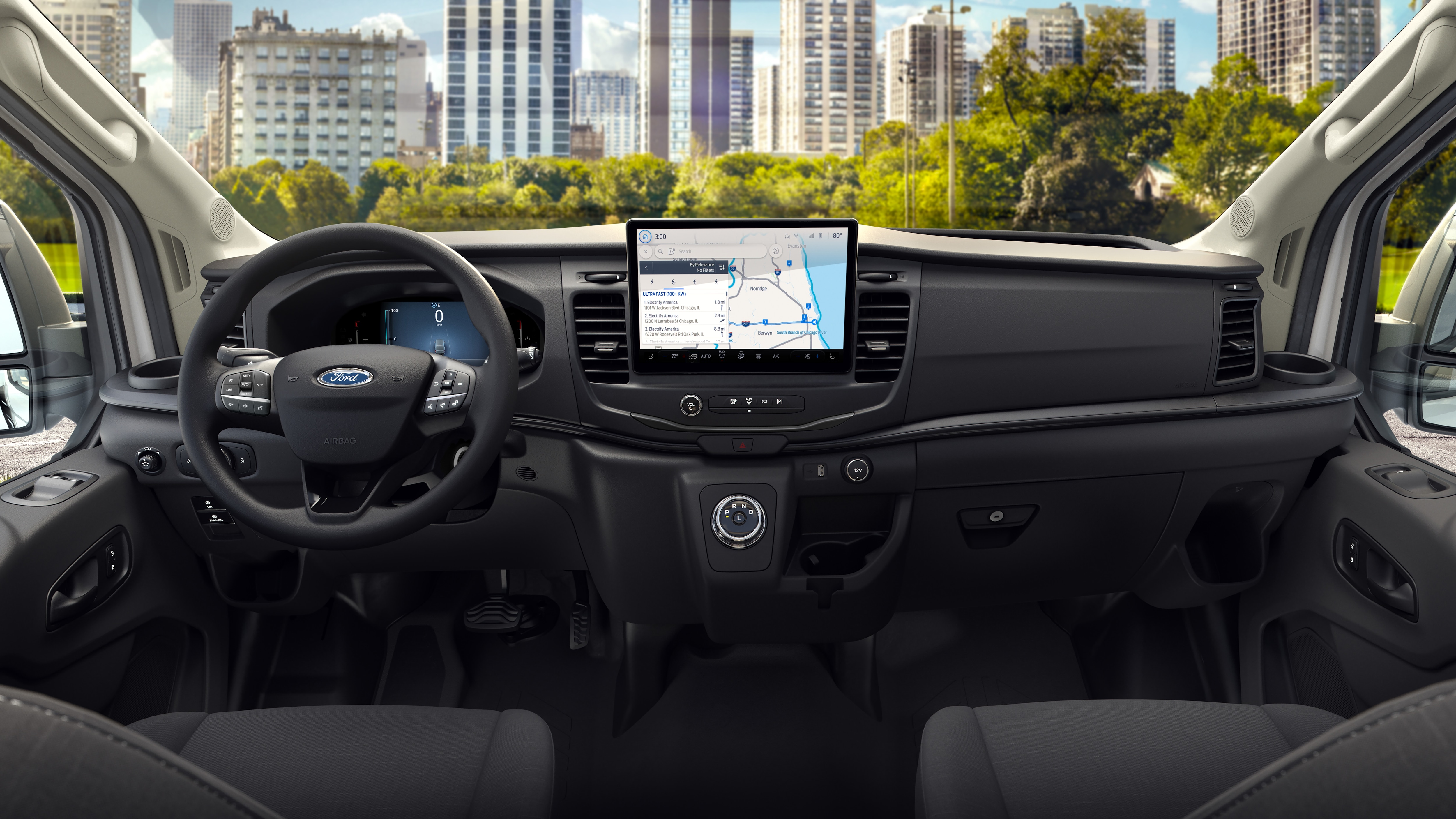
If you are looking at the 2026 Ford E-Transit, there is one thing worth clearing up right away: this van does not shop like a normal SUV or pickup.
You are not simply picking “good, better, best” trims and calling it a day. With the E-Transit, the bigger decision is how the van is built. Roof height. Cargo space. Wheelbase. Charging routine. Upfit plans. Daily mileage. Those are the details that decide whether an electric work van makes sense for your business.
At Ken Ganley Ford Parma, we help business owners and fleet buyers around Parma, Cleveland, Brook Park, Brooklyn, Strongsville, Lakewood, and Northeast Ohio compare those details before they buy. If you want to start with what is available now, you can browse our new Ford inventory or visit our Shop EV Ford page.
What the 2026 Ford E-Transit Is Built to Do
The Ford E-Transit is the all-electric version of the Transit cargo van. It is built for businesses that run predictable routes, stop-and-go driving, local deliveries, service calls, mobile work, and fleet use where charging can be planned.
That last part matters. The E-Transit is not trying to be everything for everybody. If your business drives hundreds of unknown miles a day with no time to charge, a gas-powered Transit may still be the better answer. But if your vans leave a shop, warehouse, or depot in the morning and return at night, the E-Transit starts to make a lot of sense.
You get the familiar Transit shape, usable cargo space, Ford commercial support, and an electric powertrain that cuts out gas stops and oil changes. For the right business, that is a serious advantage.
About Those “Trim Levels”
A lot of shoppers search for 2026 Ford E-Transit trim levels, so we will use that language here. Just know that the E-Transit is really more about configurations than trim names.
Instead of choosing between retail trims like SE, SEL, or Platinum, you are usually comparing roof heights and body styles:
- Low Roof Cargo Van
- Medium Roof Cargo Van
- High Roof Cargo Van
- High Roof Extended-Length Cargo Van
- Cutaway
- Chassis Cab
Each version changes how much room you have, how easy the van is to load, how it fits into your route, and what kind of upfit you can add.
E-Transit Low Roof Cargo Van
The Low Roof E-Transit is the easiest version to live with if your business needs an electric cargo van but does not need maximum interior height.
This setup works well for local delivery, parts departments, small service businesses, florists, caterers, supply runners, and companies that need enclosed cargo space without going oversized. It is easier to park than the taller versions, easier to maneuver around tight city streets, and a good fit for drivers who get in and out all day.
If your team mostly carries boxes, bins, tools, parts, or packaged goods, the Low Roof may be enough. Not glamorous. Just practical, which is usually what matters in a work van.
E-Transit Medium Roof Cargo Van
The Medium Roof is where many businesses start paying closer attention.
It gives you more interior height without jumping all the way into the tallest build. For service companies, mobile technicians, and delivery crews, that extra room can make the workday easier. You have more space for shelving, storage systems, equipment, and organized cargo.
A Medium Roof E-Transit can be a strong choice if your driver needs to move around inside the van more often, but you still want a size that feels manageable around Cleveland-area streets, customer parking lots, and job sites.
If you are not sure where your upfit will land weight-wise, talk with us before choosing the van. Shelving, racks, partitions, flooring, and equipment all add up.
E-Transit High Roof Cargo Van
The High Roof E-Transit is for businesses that need real interior working room.
If your van is going to function like a rolling shop, this is probably the version you are already thinking about. Electricians, HVAC companies, plumbers, maintenance crews, mobile repair businesses, and contractors often want the extra vertical space because it makes the cargo area easier to organize and easier to use.
The High Roof also helps when your cargo is bulky rather than extremely heavy. Boxes, equipment cases, stacked bins, tools, ladders, cleaning supplies, and specialty gear all need space. Sometimes height is the difference between a van that works and a van that becomes a mess by Wednesday.
You can also explore more Ford commercial options on our commercial vehicles page.
E-Transit High Roof Extended-Length Cargo Van
If your business keeps saying, “We just need more room,” this is the one to compare.
The High Roof Extended-Length E-Transit gives you the most cargo-focused layout in the van family. It is built for operations that need more interior volume, more organized storage, or longer cargo space for equipment and supplies.
This version may make sense for larger delivery routes, heavier service upfits, multi-trade vans, route-based businesses, and companies trying to reduce the number of vehicles needed to carry the same amount of gear.
There is a trade-off, of course. A larger van takes more planning in tight spaces. But for the right business, the added room is worth it.
E-Transit Cutaway and Chassis Cab
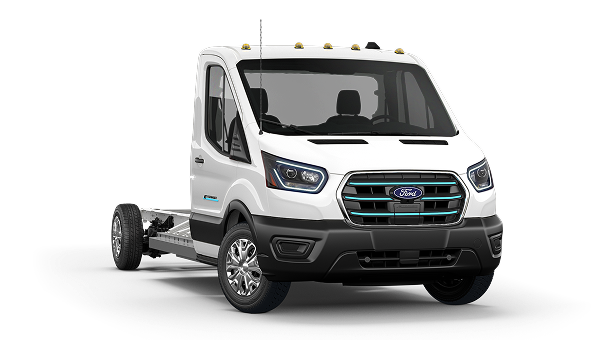
Not every business wants a cargo van body. Some need a custom work body from the start.
That is where the E-Transit Cutaway and Chassis Cab come in. These versions are built for upfitters. If you need a box body, utility setup, specialty service body, refrigerated body, or another custom commercial build, this is the direction to discuss.
The big benefit is simple: you can build around your work instead of forcing your work into a van that almost fits.
If you already have an upfitter in mind, bring those details to us early. We can help you think through wheelbase, payload, charging, and the type of body you want to add.
Charging the 2026 E-Transit
Charging is where an electric work van either fits your business or it does not.
Most E-Transit buyers are looking at Level 2 charging for regular use. That is the kind of setup many businesses install at a shop, warehouse, yard, or depot. The van works during the day, comes back at night, charges while parked, and is ready again the next morning.
DC fast charging can help on longer days or when a route changes, but we would not build your entire operation around public charging unless it truly matches your schedule.
If you are buying one E-Transit, charging may be fairly simple. If you are buying several, it is worth planning the electrical side before the vans arrive. Charging times, available power, parking layout, route length, and driver habits all matter.
E-Transit vs. Gas Transit
We carry Ford vehicles for all kinds of businesses, and we will be honest: the E-Transit is not automatically the right answer for everyone.
The gas-powered Ford Transit still makes sense if your routes are unpredictable, your daily mileage changes a lot, or you do not have a reliable place to charge. It is proven, flexible, and familiar.
The E-Transit makes more sense when your routes are local, your vans return to the same place, and you want to reduce fuel costs and certain maintenance needs. No oil changes. Fewer gas station stops. Regenerative braking. Quieter operation. For delivery and service businesses, those things can add up.
If you want to compare both, start with our Transit Van page or browse our new inventory.
Which E-Transit Configuration Should You Choose?
Here is the plain version.
Choose the Low Roof if your routes are local, your cargo is manageable, and you want an electric van that stays easy to drive and park.
Choose the Medium Roof if you need more interior space for shelving, tools, and daily cargo, but do not need the largest body.
Choose the High Roof if your team works out of the van and needs more room to move, load, sort, and organize.
Choose the High Roof Extended-Length model if cargo volume is one of your biggest concerns.
Choose the Cutaway or Chassis Cab if your business needs a custom body instead of a standard cargo van.
And if you are still not sure, that is normal. Commercial vans are not one-size-fits-all. We would rather ask a few extra questions now than put you in a van that is wrong for the job later.
Incentives, Financing, and Fleet Questions
Electric commercial vehicles can come with different ownership questions than a regular gas van. Charging costs, available incentives, tax considerations, financing, fleet pricing, and upfit expenses all deserve a closer look.
Our team can help you review available Ford offers, current inventory, and financing options. You can also visit our Ford finance center or contact us through our talk to the dealer page.
For tax credits or business deductions, we always recommend speaking with your tax professional. We can help with vehicle details and purchase information, but your eligibility depends on your business and current tax rules.
Shop the 2026 Ford E-Transit Near Cleveland
If your business is ready to compare the 2026 Ford E-Transit, we are ready to help. Ken Ganley Ford Parma serves commercial and retail customers from Parma, Cleveland, Brook Park, Brooklyn, Parma Heights, Strongsville, Lakewood, and nearby Northeast Ohio communities.
Tell us how far your vans drive each day. Tell us what you carry. Tell us where you would charge. Tell us what kind of upfit you are planning. From there, we can help you compare the E-Transit Low Roof, Medium Roof, High Roof, Extended-Length Cargo Van, Cutaway, and Chassis Cab options with a little more clarity.
Browse our Shop EV Ford page, view our new Ford inventory, or reach out to Ken Ganley Ford Parma to talk through the right electric van for your business.
