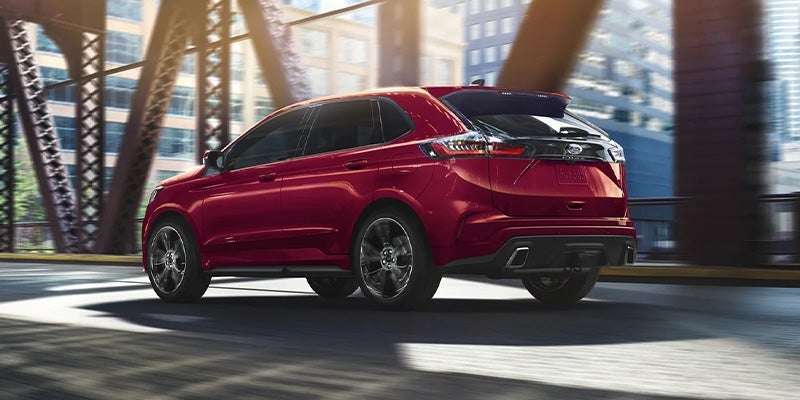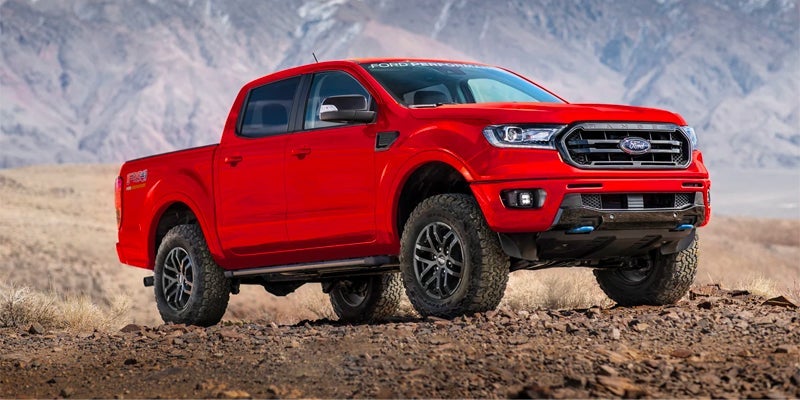

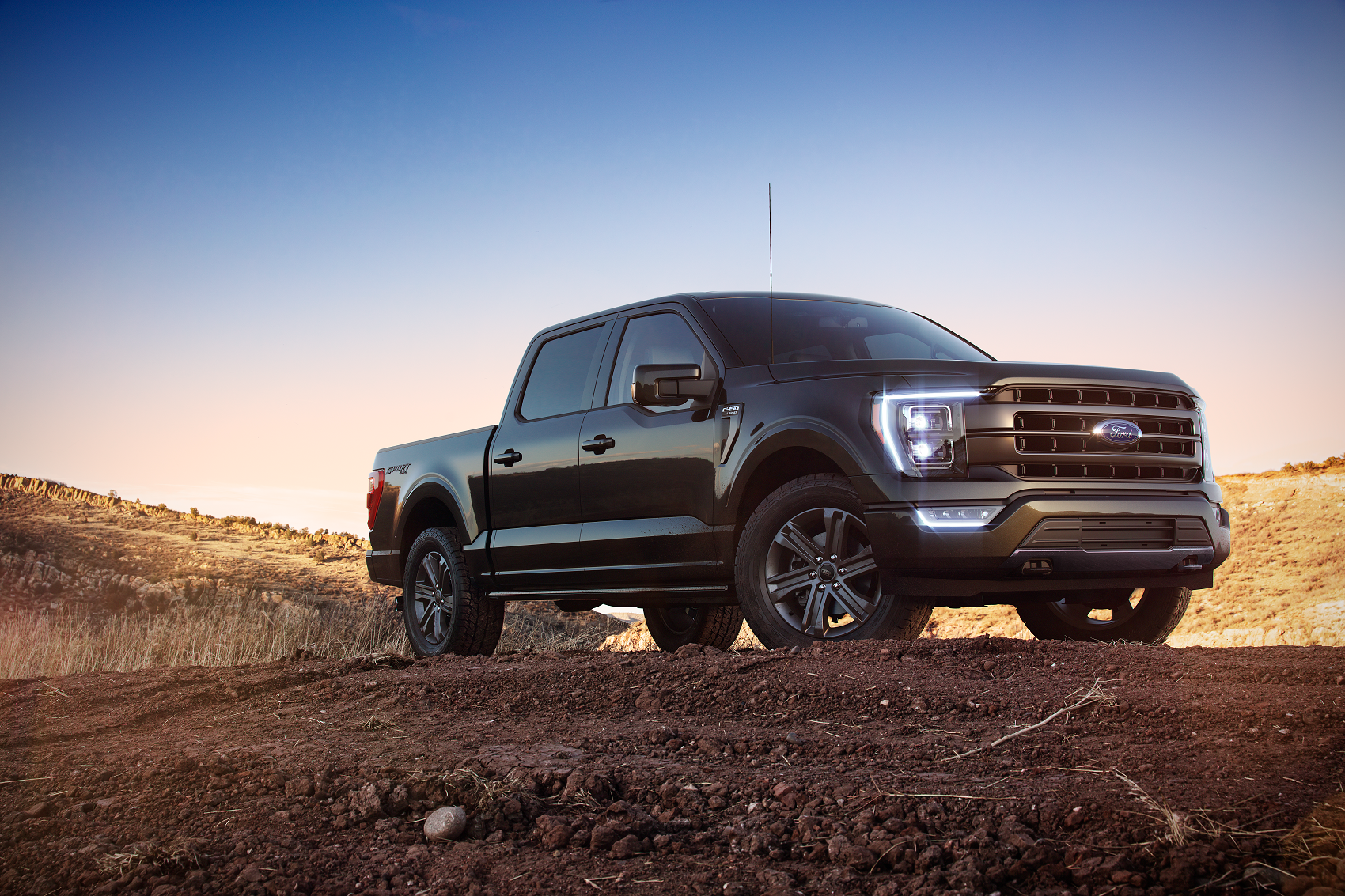
Towing numbers can get messy fast. One truck says it can tow one number. Another window sticker says something else. Then you add an engine choice, cab size, axle ratio, tow package, payload, passengers, gear in the bed, and suddenly the “simple” answer is not so simple anymore. That is usually where we step in. At Ken Ganley Ford Parma, we help truck shoppers around Parma, Cleveland, Brook Park, Lakewood, Strongsville, Seven Hills, and the west side figure out which Ford truck actually fits the trailer they plan to pull. Maybe it is a small utility trailer. Maybe it is a boat headed toward Lake Erie. Maybe it is a camper, landscaping trailer, enclosed work trailer, or a gooseneck setup for serious hauling. The right truck depends on the weight, the route, and how often you tow. Not just the biggest number in the brochure. Start With the Trailer, Not the Truck If you already own the trailer, start there. Look at the trailer’s gross vehicle weight rating, not just what it weighs empty. A boat, camper, horse trailer, or equipment trailer can gain weight quickly once it is loaded. Then think about the truck itself. People count too. So do tools, coolers, luggage, hitch equipment, cargo in the bed, and anything else coming along for the ride. That is why we do not like cutting towing numbers too close. If your trailer is right at the edge of a truck’s rating, you may technically be within range, but it probably will not feel like the most confident setup. Ford Maverick: Light Towing, Easy Daily Driving The Ford Maverick is the smallest truck in the Ford lineup, and that is a big part of its charm. It is easy to park, easy to drive around Cleveland, and useful for people who want a truck bed without moving into full-size pickup territory. For towing, the Maverick is best for lighter jobs. Standard towing capacity is 2,000 pounds, and properly equipped models with the available 4K Tow Package can tow up to 4,000 pounds. That covers more than some people expect. Small utility trailers. A pair of jet skis. A small fishing boat. A motorcycle trailer. A light camper, depending on weight. We would point you toward the Maverick if towing is occasional and your everyday driving matters just as much. If you tow every weekend or your trailer is already close to 4,000 pounds, we would probably start talking about Ranger or F-150 instead. You can browse current options through our new Ford inventory. Ford Ranger: More Pull Without Going Full-Size The Ranger is a nice middle step. It gives you more towing strength than the Maverick while still feeling easier to maneuver than an F-150. For a lot of drivers, that is the sweet spot. You get a real truck feel, strong capability, and a size that still works well in parking lots, garages, and daily traffic. When properly equipped with the available Trailer Tow Package, the 2026 Ford Ranger can tow up to 7,500 pounds. That opens the door to many boats, enclosed trailers, ATV trailers, small campers, and work trailers. If you tow regularly but do not need a full-size truck every day, the Ranger deserves a look. It is especially easy to like if your trailer is comfortably under its max rating and you still want a truck that feels manageable Monday through Friday. Ford F-150: The One Most People Compare First The F-150 is the truck many shoppers already have in mind when they start talking about towing. And for good reason. It has a wide engine lineup, available towing technology, strong payload capability, and the kind of everyday comfort that makes it work as both a family vehicle and a work truck. For 2026, the F-150 offers a maximum available tow rating of up to 13,500 pounds when properly equipped. That is the number a lot of buyers are looking for, but the exact rating depends on the truck. Engine, cab, bed, drivetrain, axle, and tow package all matter. Most Cleveland-area shoppers looking to tow a camper, boat, enclosed trailer, landscaping setup, or work trailer will find the F-150 has plenty of room to work with. The 3.5-liter EcoBoost V6 is a popular choice for serious towing. The 5.0-liter V8 has its own loyal following. The PowerBoost hybrid brings strong capability with the added benefit of available onboard power, which can be useful at job sites, campsites, and tailgates. If you are comparing F-150 trucks, look closely at the window sticker. Two trucks that look similar from across the lot may not have the same tow rating. You can start with our Ford F-150 page or check our new Ford inventory. Ford Super Duty: When the Load Gets Serious If your towing needs are too much for an F-150, that is what Super Duty is for. The Ford Super Duty lineup includes F-250, F-350, and F-450 models built for heavy work. These trucks are meant for larger campers, heavy equipment, livestock trailers, commercial trailers, fifth-wheel setups, gooseneck towing, and people who tow enough that “close enough” is not good enough. Properly equipped Super Duty trucks can tow far beyond the F-150. Select configurations can reach up to 30,000 pounds with conventional towing and up to 40,000 pounds with gooseneck towing. That is serious capability, and it comes with more decisions: gas or diesel, single rear wheel or dual rear wheel, axle ratio, cab size, bed length, payload, and hitch setup. The available 6.7-liter Power Stroke diesel is the engine many heavy haulers ask about first, especially for long grades, frequent towing, and heavier trailers. Gas Super Duty models still make sense for plenty of work buyers too, depending on trailer weight and budget. If your truck is for business, take a look at our commercial vehicles page. We can help with work-focused Ford trucks, vans, and commercial configurations. The Part People Forget: Payload Tow rating gets most of the attention. Payload can be the limiting factor. If you are pulling a trailer, the tongue weight counts against payload. So do passengers, tools, cargo, accessories, and anything in the bed. A truck may have a strong tow rating and still run out of payload sooner than expected depending on how it is equipped. This is especially important for campers and enclosed trailers. They can put a lot of weight on the hitch, and that weight does not disappear just because the truck can technically pull the trailer. When you visit us, bring the trailer specs if you have them. Gross trailer weight, tongue weight, hitch type, and how you normally load it all help us match the right truck. Towing Tech Is Worth Asking About Ford trucks have gotten much easier to tow with over the years. Depending on the model and equipment, you may find features like an integrated trailer brake controller, trailer sway control, Pro Trailer Backup Assist, trailer reverse guidance, tow/haul drive mode, blind spot coverage for trailers, smart hitch features, camera views, and onboard scales. Do you need all of that? Maybe not. But if you tow often, some of these features can make a long drive or a tight backing situation a whole lot less stressful. If you are newer to towing, they can help build confidence. If you already tow all the time, they can make the truck feel like a better tool. A Simple Way to Choose If you tow light and want something easy to live with every day, start with Maverick. If you tow moderate loads and want a midsize truck, look at Ranger. If you tow campers, boats, work trailers, or heavier weekend loads, F-150 is probably the first serious comparison. If you are towing heavy equipment, large trailers, fifth-wheel campers, or gooseneck loads, go straight to Super Duty. That is the quick answer. The better answer depends on your trailer. Talk Towing With Ken Ganley Ford Parma At Ken Ganley Ford Parma, we help truck buyers from Parma, Cleveland, Brook Park, Lakewood, Strongsville, Seven Hills, Middleburg Heights, Brooklyn, and nearby Northeast Ohio communities compare Ford towing options the right way. Tell us what you are towing. Tell us how often. Tell us whether the truck also needs to commute, carry family, haul tools, or work every day. From there, we can help you compare Maverick, Ranger, F-150, and Super Duty models without guessing. Browse our new Ford inventory, explore our Ford F-150 selection, or contact us through our Ken Ganley Ford Parma contact page if you want help finding a truck built for your trailer.

Chevy Colorado vs. Silverado 1500: Which Truck Is Right for You?
Some truck choices are easy. This one usually takes a little talking through. The Chevy Colorado and Chevy Silverado 1500 both make sense for Ohio drivers, but not for the same reasons. One is easier to park, easier to live with day to day, and still plenty capable. The other gives you more truck in every direction: more cab space, more towing power, more engine choices, and more confidence when the trailer gets heavy. At Preston Chevrolet in Burton, we help drivers from Geauga County, Chardon, Middlefield, Bainbridge, and the greater Cleveland area compare these two all the time. If you are stuck between them, start with how you actually use a truck during a normal week. That answer usually points you in the right direction pretty quickly. The Simple Difference The Chevy Colorado is our midsize pickup. It is a great fit if you want a real truck without the size of a full-size model. It handles tight roads, small parking lots, trailheads, and daily errands without making every stop feel like a project. The Chevy Silverado 1500 is our full-size light-duty truck. It is the one we point you toward when towing, payload, rear-seat room, and engine choice matter more than having the smallest footprint possible. Both are useful. Both are comfortable. Both can be built for work, family, weekends, or a mix of all three. They just solve different problems. Living With the Colorado Day to Day The Colorado is the easier truck to settle into if you are coming out of an SUV, crossover, or older compact pickup. Around Burton and the surrounding townships, that matters. Not every driveway is wide. Not every parking spot is generous. Not every back road gives you much shoulder. That smaller size is one of the Colorado’s biggest advantages. It feels light on its feet, but it still gives you the bed space and towing ability that make a pickup worth buying in the first place. We like the Colorado for drivers who haul tools, bikes, kayaks, hunting gear, landscaping supplies, or a small trailer, but do not need a full-size truck every single day. It is also a strong choice if you want something with genuine off-road ability. The Colorado ZR2 has earned its reputation for a reason. You can browse our current Chevrolet truck selection through our new Chevy inventory when you are ready to compare trims and pricing. Where the Silverado 1500 Starts to Pull Away The Silverado 1500 feels different because it is built for bigger jobs. More cab room. More bed options. More powertrain choices. More towing headroom. If you have a camper, a larger boat, a work trailer, or equipment that gets moved more than once in a while, the Silverado 1500 is usually the better long-term answer. It gives you room to grow into the truck instead of buying right up against the limit of what you need today. That matters. A truck that technically can tow your trailer is not always the truck you want to tow with every weekend. The Silverado gives you more breathing room, especially when you start adding passengers, gear in the bed, hills, wind, and real-world Ohio driving into the picture. Towing: Be Honest About the Trailer This is the section where we usually slow the conversation down. The Chevy Colorado can tow up to about 7,700 pounds when properly equipped. For a midsize truck, that is a serious number. It covers utility trailers, small campers, side-by-sides, personal watercraft, and plenty of smaller boats. The Silverado 1500 can tow up to 13,300 pounds when properly equipped. That is a much bigger ceiling, and it is the reason so many truck shoppers end up choosing Silverado once they start looking closely at their trailer weight. If you tow a few times a year and the trailer is not especially heavy, the Colorado may be all the truck you need. If towing is part of your work, your weekends, or your family travel plans, the Silverado 1500 gives you more room to work safely and comfortably. Before you buy, we can help you compare the exact truck, engine, axle ratio, tow package, payload rating, and trailer weight. That last part is important. The number on the brochure is not always the number on the specific truck sitting on the lot. Engines and Driving Feel The Colorado keeps things simple with strong turbocharged power. It has enough torque to feel confident around town and useful when loaded. For many drivers, that is part of the appeal. You are not sorting through a long engine list. You are choosing the trim and capability level that fits you. The Silverado 1500 gives you more choices. Depending on availability and configuration, shoppers may find the TurboMax engine, V8 options, and the Duramax diesel. That wider engine range is one of the Silverado’s strongest selling points. Some drivers want V8 power. Some want diesel efficiency and low-end torque. Some just want a dependable gas truck that can handle a little of everything. If you are not sure which engine fits your driving, we can talk through it with you at the store. We would rather match you to the right setup the first time than watch you buy more truck, or less truck, than you actually need. Off-Road Use: Colorado ZR2 or Silverado Trail Boss? If your idea of a good weekend includes dirt roads, camp access roads, muddy job sites, or trails, both trucks deserve a look. The Colorado ZR2 is the more nimble off-road choice. It is smaller, easier to place on tighter trails, and built with serious hardware. For drivers who want an off-road truck first and a daily driver second, it makes a lot of sense. The Silverado Trail Boss and Silverado ZR2 bring off-road confidence to the full-size side. You get the bigger cabin, stronger truck platform, and more towing ability, along with the suspension and traction upgrades that help when pavement ends. So the question is not really “which one can go off-road?” Both can. The better question is whether you want the Colorado's tighter, more trail-friendly feel or the Silverado's bigger, more powerful feel. Cabin Space and Family Use This is where a test drive helps. The Colorado works well for smaller families, couples, solo drivers, and anyone who wants truck capability without a huge cabin. The interior is modern, the technology is easy to use, and the crew cab gives you a usable second row. The Silverado 1500 is simply roomier. If you have growing kids, car seats, tall passengers, or coworkers riding with you often, the extra space is hard to ignore. The Silverado crew cab feels more relaxed on longer drives, especially if you are headed toward Cleveland, Lake Erie, or out of state with everyone packed in. Both trucks offer modern screens, smartphone connectivity, driver-assist features, and available comfort upgrades. The Silverado just gives everyone more space to stretch out. Work Truck Buyers Should Look Closely at the Silverado The Colorado can absolutely work for a business. It is a smart choice for lighter-duty use, site visits, small crews, parts runs, and anyone who wants a professional truck without full-size costs. The Silverado 1500 gives business owners more flexibility. More payload. More towing. More configurations. More room for crew and tools. If your truck is tied directly to your income, that extra capability can pay for itself. For commercial customers, we recommend starting with our fleet and commercial options. We can help you evaluate work-ready trucks, business-use needs, upfit options, and the specs that matter after the truck leaves the lot. Price and Value The Colorado usually wins on starting price and everyday operating costs. If you want the lower payment, smaller size, and better efficiency, it is the easier truck to justify. The Silverado 1500 costs more, but you are paying for real added capability. If you will use the towing capacity, larger cabin, bigger bed, or engine choices, the value is there. Our finance team can help you compare payments, current offers, trade-in value, and lease or purchase options. Sometimes the difference between two trucks is smaller than expected once you factor in incentives and trade equity. You can also check current Chevrolet special offers before you visit. Our Plain Answer Choose the Chevy Colorado if you want a truck that is easy to drive every day, capable enough for weekend hauling, and available with serious off-road personality. It is the better fit if you value maneuverability and don't tow heavy trailers regularly. Choose the Chevy Silverado 1500 if you need more towing power, more passenger room, more engine choices, or a truck that can handle heavier work without feeling stretched. It is the safer bet for frequent towing, bigger families, and buyers who plan to keep their truck for the long haul. If you are still torn, drive both. That usually clears it up. The Colorado feels right to some people within the first mile. The Silverado does the same for drivers who know they want the extra room and strength. Start with our new Chevrolet inventory, or use Shop Click Drive if you want to begin the process from home. When you are ready, we will help you compare the Colorado and Silverado 1500 side by side at Preston Chevrolet in Burton. Frequently Asked Questions What is the biggest difference between the Chevy Colorado and Silverado 1500? The Colorado is a midsize truck, while the Silverado 1500 is a full-size truck. The Colorado is easier to maneuver and usually more efficient. The Silverado 1500 offers more towing capacity, more cabin space, more engine choices, and a larger overall footprint. Which truck tows more? The Silverado 1500 tows more. When properly equipped, it can tow up to 13,300 pounds. The Colorado can tow up to about 7,700 pounds when properly equipped. Is the Chevy Colorado enough truck for Ohio drivers? For many drivers, yes. If you tow lighter trailers, haul weekend gear, commute, or drive on tighter roads around Geauga County, the Colorado can be a practical fit. Is the Silverado 1500 better for families? The Silverado 1500 is usually better for larger families because it offers more rear-seat room, especially in crew cab models. The Colorado works well for smaller families, but the Silverado is more comfortable when passengers often ride in the back. Which truck is better for off-roading? The Colorado ZR2 is excellent for tighter trails and drivers who want a midsize off-road truck. The Silverado Trail Boss and Silverado ZR2 are better if you want off-road capability with full-size truck space and power. Can I finance a Colorado or Silverado 1500 at Preston Chevrolet? Yes. Our finance department can help you compare options for either truck, including current offers, trade-in value, and payment estimates. Does Preston Chevrolet serve truck shoppers outside Burton? Yes. We work with Chevy truck shoppers from Burton, Chardon, Middlefield, Bainbridge, Geauga County, and the greater Cleveland area.